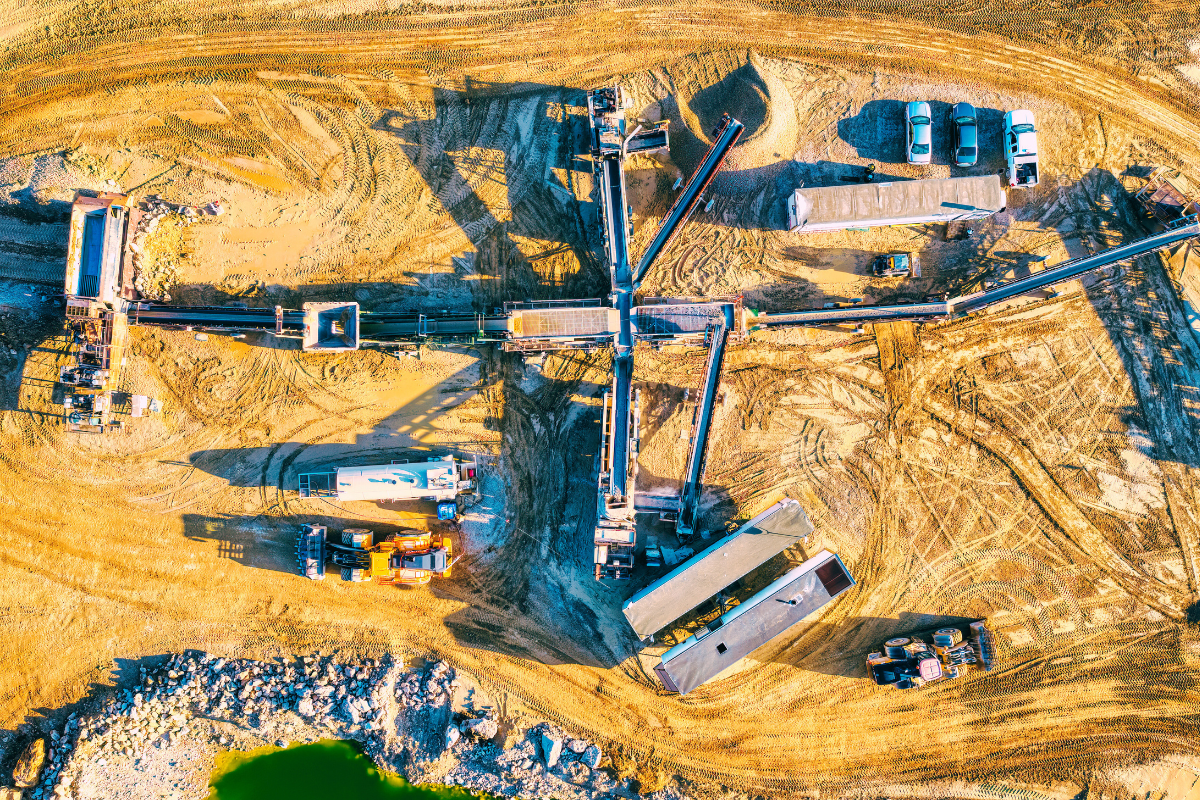
Industrial systems operating under heavy shock loads demand more than standard belt solutions. From mining and aggregate processing to recycling plants and heavy manufacturing lines, belts are constantly exposed to sudden impacts, irregular material flow, and extreme stress conditions. Selecting the right belt design is essential for maintaining uptime, improving safety, and reducing long-term operational costs. In this guide, we explore how heavy shock loads affect belt performance and explain the key engineering considerations behind heavy shock load belt design, helping you choose a belt capable of withstanding demanding environments.
Understanding Heavy Shock Load Applications
Heavy shock loads occur when equipment experiences sudden bursts of force or impact. Unlike steady loads, shock loads create abrupt stress spikes that can damage belt carcasses, weaken splice integrity, or cause premature failure.
Common sources of shock loading include:
- Dropping large rocks or scrap metal onto conveyors
- Irregular feed rates from crushers or hoppers
- Heavy start-stop cycles in industrial systems
- Misaligned loading zones that concentrate impact forces
These environments require belts designed with enhanced structural integrity and impact absorption characteristics.
Shock load conditions are especially common in industries such as mining, steel production, cement manufacturing, waste management, and port handling operations. In these sectors, durability and reliability are critical because downtime can halt entire production lines.
Why Standard Belt Designs Fail Under Impact
Traditional belt constructions are optimized for continuous operation under uniform loads. When exposed to sudden impact forces, several problems may arise:
Carcass fatigue: Repeated shock loading weakens internal reinforcement layers, causing cracks or separation.
Edge damage: Heavy materials striking off-center can lead to fraying or tearing along belt edges.
Cover wear: High-impact loading accelerates abrasion and reduces belt lifespan.
Splice failure: Mechanical or vulcanized splices may fail prematurely if not designed for dynamic stress.
Choosing a belt specifically engineered for shock resistance helps mitigate these risks and ensures consistent performance.
Key Factors to Consider When Choosing a Heavy Shock Load Belt Design
Selecting the right belt involves evaluating several technical parameters. Each factor contributes to how well the belt absorbs impact and maintains structural integrity.
1. Belt Construction and Reinforcement
The internal structure of a belt plays a major role in impact resistance. Multi-ply fabric belts or steel cord belts are commonly used in heavy-duty applications.
- Multi-ply belts provide flexibility and distribute impact energy across layers.
- Steel cord belts offer high tensile strength and durability for extremely heavy loads.
The choice depends on operational conditions, required tension strength, and conveyor length.
2. Cover Thickness and Material
Impact-resistant covers protect the belt from sharp or heavy materials. Thicker rubber covers can absorb shock energy and reduce penetration damage.
Important considerations include:
- Abrasion resistance
- Cut and gouge resistance
- Temperature tolerance
- Chemical exposure
Rubber compounds formulated for heavy impact environments help extend service life while maintaining flexibility.
3. Impact Absorption Properties
Some belt designs incorporate specialized cushioning layers or reinforced textile weaves to absorb shock energy. These features reduce stress transfer to the carcass and prevent internal damage.
Impact-resistant designs often include:
- Elastic rubber compounds
- Reinforced breaker plies
- Energy-dispersing fabric structures
Proper impact absorption reduces maintenance frequency and improves conveyor efficiency.
4. Splice Strength and Design
Splicing is often the weakest point in a conveyor belt. Under heavy shock loading, improper splice design can lead to catastrophic failure.
Key considerations:
- Use vulcanized splices where possible for higher strength.
- Ensure splice geometry matches belt thickness and tension requirements.
- Reinforce splices with compatible materials to maintain flexibility.
A well-designed splice enhances belt reliability and minimizes downtime.
5. Loading Zone Engineering
Even the strongest belt can fail if the loading area is poorly designed. Impact beds, skirt boards, and proper chute design reduce concentrated forces on the belt surface.
Best practices include:
- Aligning material flow with belt direction
- Using impact rollers or beds
- Controlling drop height from feeding equipment
Optimizing loading zones helps extend belt life and maintain stable operation.
Comparing Belt Types for Heavy Shock Load Applications
Different belt constructions offer unique advantages depending on operational requirements.
Fabric Reinforced Belts
Fabric belts are widely used due to their flexibility and cost-effectiveness. Multiple plies help distribute shock loads evenly, making them suitable for moderate to heavy impact environments.
Advantages:
- Good flexibility
- Easier installation
- Lower initial cost
Limitations:
- May not handle extremely high tension loads compared to steel cord designs
Steel Cord Belts
Steel cord belts provide exceptional tensile strength and durability, making them ideal for long conveyors and high-capacity systems.
Advantages:
- High strength-to-weight ratio
- Minimal elongation
- Excellent durability under heavy loads
Limitations:
- Higher cost
- Requires precise installation and maintenance
Specialty Impact-Resistant Belts
Some manufacturers offer belts specifically engineered for heavy shock loads, featuring reinforced carcasses, thicker covers, or advanced rubber compounds.
These designs combine flexibility with enhanced durability, making them suitable for harsh industrial environments.
How Material Characteristics Influence Belt Selection
The type of material being transported plays a significant role in belt design decisions. Factors to evaluate include:
- Size and weight of materials: Larger objects generate stronger impact forces.
- Sharpness or abrasiveness: Materials with rough edges require higher cut resistance.
- Moisture and temperature conditions: Environmental factors can affect rubber performance.
For example, mining operations transporting large rocks require thicker covers and reinforced carcasses, while recycling plants may need belts designed to handle irregular metal fragments.
Maintenance Strategies for Heavy Shock Load Belts
Even the best belt design requires consistent maintenance to ensure optimal performance.
Recommended practices include:
- Regular visual inspections for cracks, cuts, or delamination
- Monitoring splice integrity and alignment
- Cleaning buildup that may create uneven loading
- Adjusting tension to prevent excessive stress
Preventive maintenance reduces the risk of unexpected failure and extends the operational lifespan of the belt.
Common Design Mistakes to Avoid
Selecting a belt for heavy shock load applications requires careful engineering analysis. Common mistakes include:
- Choosing belts based solely on price instead of performance requirements
- Ignoring drop height and loading zone conditions
- Using insufficient cover thickness
- Overlooking splice strength requirements
Avoiding these pitfalls ensures a more reliable and cost-effective conveyor system.
The Role of Engineering Expertise in Belt Selection
Working with experienced belt manufacturers and engineers helps identify the best design for specific applications. Technical evaluation often includes:
- Load analysis
- Conveyor speed and capacity calculations
- Material impact assessments
- Environmental condition evaluation
Collaborating with specialists allows businesses to customize belt solutions that meet performance goals while minimizing operational risks.
Future Trends in Heavy Shock Load Belt Design
Advancements in material science and manufacturing technologies continue to improve belt durability. Emerging trends include:
- High-performance rubber compounds with enhanced elasticity
- Hybrid reinforcement structures combining fabric and steel
- Smart monitoring systems that detect impact-related damage early
These innovations are helping industries achieve greater efficiency and longer belt lifespans.
Conclusion
Heavy shock load applications present unique challenges that require carefully engineered belt solutions. Understanding impact forces, material characteristics, and construction methods is essential for selecting the right design.
By focusing on reinforcement structure, cover material, splice strength, and loading zone optimization, businesses can significantly improve conveyor reliability. Investing in the correct belt design not only reduces maintenance costs but also enhances safety and productivity across demanding industrial operations.
Choosing a belt built specifically for heavy shock loads ensures long-term performance and supports continuous operation in even the harshest environments.