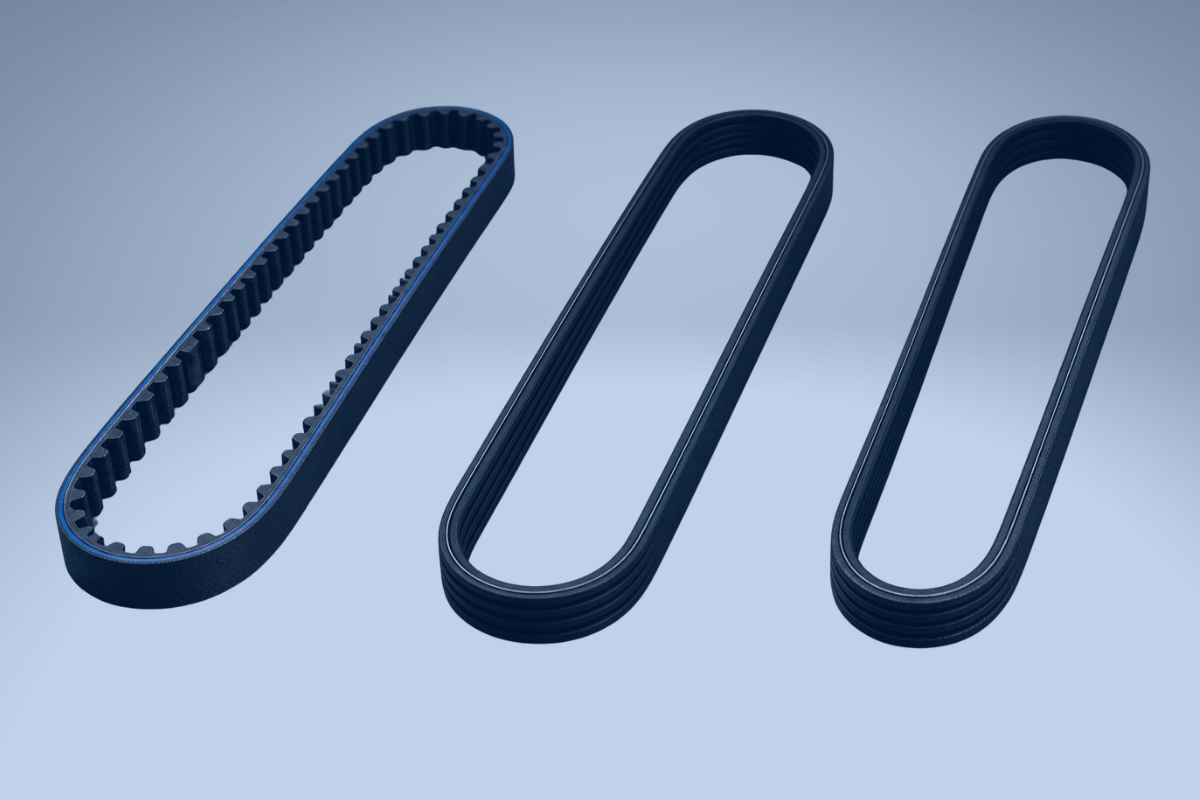
Walk into any workshop in Dubai and you will hear three terms used almost interchangeably: timing belt, serpentine belt, and PK belt. They are all types of automotive belt, but they are not the same component. Each one has a specific job, a specific construction, a specific replacement schedule, and a specific cost of failure.
For mechanics, parts retailers, and car owners, knowing the difference between these belt types is essential. Replacing the wrong belt, or ignoring the right one for too long, can lead to anything from a minor inconvenience to a catastrophic engine failure. This guide compares the three major automotive belt types used on modern vehicles, explains how they work, and helps you understand which one applies to your situation.
For UAE buyers sourcing replacement belts, Universal Rubber Belt Manufacturing offers a complete range of automotive belts manufactured locally to international standards. Additional product information is available at universalbelt.ae.
The Three Major Automotive Belt Types
Almost every modern vehicle uses one or more of these three belt types in its powertrain. Each performs a distinct function, although some terminology overlaps.
The three primary automotive belt types are:
- The timing belt, which synchronizes the crankshaft and camshaft
- The serpentine belt, which drives multiple engine accessories
- The PK belt, a specific profile of poly V-belt commonly used as a serpentine belt
Some vehicles use a timing chain instead of a timing belt, but where a timing belt is fitted, it is one of the most critical components in the entire engine.
What Is a Timing Belt
A timing belt is an automotive belt that keeps the crankshaft and the camshaft turning in precise synchronization. The crankshaft drives the pistons up and down, while the camshaft opens and closes the valves. If the two are not perfectly aligned in time, the engine cannot run.
The timing belt is typically:
- Located behind a protective cover at the front of the engine
- Made from a high-strength reinforced rubber compound
- Toothed on the inside surface to mesh with toothed pulleys
- Replaced as a major scheduled maintenance item
Because the timing belt is hidden behind covers and bolt-on accessories, it is often forgotten by car owners until it fails. By that point, the damage is usually done.
What Is a Serpentine Belt
A serpentine belt is an automotive belt that snakes around the front of the engine, driving multiple accessories from a single belt loop. It replaces the multiple separate belts used in older engines.
A typical serpentine belt drives:
- The alternator
- The water pump
- The power steering pump
- The air conditioning compressor
- Sometimes the radiator fan or supercharger
The term “serpentine” describes the routing of the belt rather than its profile. Most modern serpentine belts are PK belts by profile — flat-backed with multiple ribs on the inside surface.
What Is a PK Belt
A PK belt is a specific type of poly V-belt that follows the European DIN standard for rib geometry. The “PK” designation refers to a rib pitch of 3.56 millimeters.
Key features of a PK belt include:
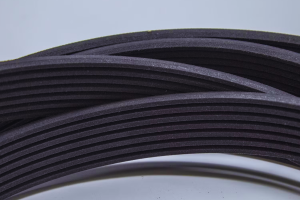
- A flat outer back surface
- Multiple parallel ribs on the inner surface
- A standardized code such as 6PK1850
- Compatibility with grooved poly V pulleys
In modern vehicles, the serpentine belt is almost always a PK belt. So while the two terms are not technically identical, they refer to the same physical component in most everyday workshop conversations.
How a Timing Belt Differs from a Serpentine or PK Belt
The most important distinction among automotive belt types is between timing belts and serpentine or PK belts. These are completely different components with different functions and different consequences when they fail.
Major differences include:
- The timing belt synchronizes the crankshaft and camshaft; the serpentine belt drives accessories
- The timing belt is hidden behind covers; the serpentine belt is visible at the front of the engine
- The timing belt is toothed; the serpentine belt is ribbed
- The timing belt rarely needs adjustment; the serpentine belt runs on a tensioner
- A timing belt failure can destroy the engine; a serpentine belt failure usually does not
This is why timing belt replacement is treated as a major scheduled service event, while serpentine belt replacement is often handled as a routine maintenance item.
Replacement Intervals for Each Belt Type
Each automotive belt has a recommended service life, but the intervals differ.
Typical replacement intervals are:
- Timing belt: 60,000 to 160,000 kilometers, depending on the vehicle
- Serpentine or PK belt: 60,000 to 100,000 kilometers
- Severe duty conditions: shorter intervals for both
Vehicle manufacturers publish their specific intervals in the service schedule. UAE conditions — high heat, dust, and continuous air conditioning use — typically push intervals toward the lower end.
For both belt types, “if it looks worn, replace it” is a sound rule. The cost of premature replacement is small compared to the cost of failure.
What Happens When a Timing Belt Fails
Timing belt failure is one of the most expensive events in modern car ownership.
Common consequences include:
- Pistons striking open valves in interference engines
- Bent valves and damaged valve guides
- Damaged piston crowns and cylinder heads
- Possible damage to camshafts and timing components
- Repair costs that can exceed the value of the vehicle
In a non-interference engine, the consequences are less severe, but the engine still stops running and the vehicle must be recovered.
This is why no responsible workshop ever lets a timing belt go beyond its recommended service interval, and why timing belt replacement is treated as a non-negotiable scheduled job.
What Happens When a Serpentine or PK Belt Fails
Serpentine belt failure is much less catastrophic but still serious.
Typical consequences include:
- Loss of alternator output and battery discharge
- Loss of power steering assistance
- Loss of air conditioning
- Coolant pump failure on belt-driven water pumps
- Engine overheating if the water pump is belt-driven
In a UAE summer, the loss of air conditioning combined with a discharging battery and possible overheating can quickly turn a small failure into a serious safety issue.
The vehicle is usually still drivable for a short distance, but the warning lights, heavy steering, and rising temperature gauge make it clear that the car needs immediate attention.
How to Identify Each Automotive Belt on Your Vehicle
For a car owner standing in front of an open bonnet, telling these belts apart is straightforward.
Visual identification cues include:
- The serpentine or PK belt is visible at the front of the engine, looped around several pulleys
- The timing belt is hidden behind plastic covers and not visible without disassembly
- The serpentine belt has a flat back and ribbed underside
- A timing belt cover is usually a black plastic shroud bolted to the engine
Workshop technicians often confirm belt type by reading the markings on the belt itself or by referencing the vehicle service manual. Parts catalogues list each belt by its part number and vehicle application.
Cost Comparison Between the Three Belt Types
Pricing for these automotive belts varies significantly because of how they are constructed and how they are replaced.
Typical cost categories include:
- Serpentine or PK belt: relatively inexpensive part, modest labour
- Timing belt: moderate part cost, significant labour due to engine disassembly
- Timing belt service kit: higher overall cost including tensioner, idler, and water pump
The timing belt job is more expensive because access usually requires removing engine mounts, accessory drive components, and timing covers. Many workshops also recommend replacing the water pump at the same time, which adds parts cost but saves labour later.
Why Quality Matters for Every Automotive Belt
Across all three belt types, quality has a direct impact on lifespan, reliability, and total cost.
The risks of a low-quality automotive belt include:
- Premature cracking or stretching
- Inconsistent rib or tooth dimensions
- Failure under heat or load
- Damage to surrounding components
- Customer dissatisfaction and warranty claims
For workshops and retailers, the temptation to choose the cheapest belt available is understandable but rarely profitable. The cost of a single comeback — labour, replacement parts, customer goodwill — far exceeds any savings on the original belt.
OEM, Aftermarket, and UAE-Manufactured Belts
The UAE automotive aftermarket offers buyers three broad sourcing options.
These options include:
- OEM belts, sourced through dealers under the vehicle manufacturer’s brand
- Standard aftermarket belts from a wide range of imported brands
- UAE-manufactured premium aftermarket belts
UAE-manufactured belts that meet international automotive standards have become an increasingly popular choice for workshops, parts retailers, and fleet operators. The combination of OEM-grade quality, faster lead times, and stronger commercial flexibility offers practical advantages over imported alternatives.
Choosing the Right Belt for the Job
Choosing the correct automotive belt depends on the specific application.
Practical guidance includes:
- For accessory drives, fit a PK belt that matches the vehicle’s specified rib count and length
- For timing belt replacement, follow the manufacturer’s specification exactly
- Always replace tensioners and idlers with the timing belt
- Consider replacing the water pump during timing belt service if it is belt-driven
- Use a UAE-manufactured belt for shorter lead times and consistent quality
Cross-referencing the existing belt code or the vehicle make, model, year, and engine code is the safest way to confirm the right replacement.
Common Mistakes Buyers Make with Automotive Belts
Even experienced buyers make recurring mistakes when ordering or fitting automotive belts.
Common mistakes include:
- Ordering by appearance rather than by code or vehicle reference
- Substituting a different rib count than the original
- Ignoring tensioner condition when replacing the belt
- Mixing brands and qualities across the same fleet
- Buying the cheapest option without checking compound or cord quality
Each of these mistakes can be avoided with simple discipline: verify the part, inspect the system, and choose a quality supplier.
Maintaining Each Belt for Maximum Life
Although the three automotive belt types are different, the principles of maintenance overlap significantly.
Best practices include:
- Inspecting accessory drive belts at every service
- Replacing belts at the first sign of cracking, glazing, or fraying
- Replacing tensioners and idlers when belts show abnormal wear
- Following the timing belt service schedule strictly
- Avoiding contact between the belt and any oil or coolant leak
Workshops that follow these basics consistently see longer belt life, fewer comebacks, and stronger customer satisfaction.
Belt Selection for Different Vehicle Types in the UAE
Different vehicle categories have different belt requirements, even within the same belt type.
Taxis and High-Mileage Vehicles
These vehicles benefit from premium heat-resistant belts and earlier-than-standard replacement intervals. The cost of unscheduled downtime is much higher than the cost of a quality belt.
Luxury and Performance Cars
Premium aftermarket or OEM-grade belts are recommended. Tighter manufacturing tolerances and higher rotational speeds make belt quality particularly important on these platforms.
Commercial Vehicles
Vans and light trucks need consistent stock availability and predictable lead times. UAE-based suppliers are well positioned to support fleet operators with both replacement belts and scheduled maintenance kits.
Older Vehicles and Used Imports
Belts on older vehicles often arrive in unknown condition. A full inspection at first service is essential, and replacing both timing and serpentine belts as a precaution is often a sound decision.
How Workshops Can Use Belt Knowledge to Win Customers
Workshops that explain automotive belt differences to customers consistently build stronger customer relationships.
Practical opportunities include:
- Walking customers through belt inspection findings
- Explaining why the timing belt service kit costs what it does
- Recommending preventive replacement intervals based on UAE conditions
- Showing the difference between worn and new belts visually
- Documenting belt and tensioner condition at every service
This kind of transparent communication turns a maintenance task into a trust-building moment, which translates directly into customer retention and referrals.
Frequently Asked Questions About Automotive Belts
A few questions come up repeatedly from car owners and new mechanics.
Is a serpentine belt the same as a PK belt?
In almost all modern vehicles, yes. The serpentine belt is the role; the PK belt is the profile. The same belt usually fills both descriptions.
Can a timing belt be replaced separately from a tensioner?
Technically yes, but it is rarely a good idea. The tensioner and idler bearings have a similar service life, and reusing old components risks early failure of the new belt.
Does the UAE climate affect belt life significantly?
Yes. High temperatures and continuous air conditioning loads shorten belt life noticeably compared to temperate climates. Heat-resistant compounds and shorter inspection intervals help mitigate this.
Is a UAE-manufactured automotive belt as good as a global brand?
A UAE manufacturer that follows international automotive standards produces belts that match or exceed the quality of major global brands, often with better lead times and pricing.
How Climate and Driving Patterns in the UAE Affect Belt Choice
The UAE operating environment is distinctive even compared to other warm-climate markets. Belts engineered or selected with these conditions in mind perform notably better.
UAE-specific factors include:
- Sustained ambient temperatures above 45°C in summer
- Engine bay temperatures that can exceed compound thresholds for cheaper belts
- Continuous high-load operation of the air conditioning compressor
- Frequent short urban trips that expose belts to heat-soak cycles
- Long highway stretches where belts run continuously at high speed
- Fine sand and dust ingress around the engine bay
When all of these factors stack together, the case for premium heat-resistant compounds and conservative replacement intervals becomes clear. A belt that performs well in a temperate European city may behave very differently on a Dubai-Sharjah commute in August.
This is why UAE-aware automotive belt selection is not just a marketing claim — it is a measurable engineering advantage.
A Practical Replace-or-Inspect Decision Matrix
When a workshop is unsure whether to replace or simply inspect an automotive belt, a simple decision framework keeps decisions consistent across technicians.
The framework typically considers:
- The mileage on the belt versus the recommended replacement interval
- The visible condition of the rib face and outer backing
- The condition of the tensioner, idler, and surrounding pulleys
- The vehicle’s operating environment and duty cycle
- The customer’s intended ownership horizon
If the mileage is approaching the manufacturer’s interval and any sign of wear is present, replacement is almost always the right answer. If the mileage is well below the interval and the belt looks clean, an inspection note in the service record is sufficient.
Recording these decisions clearly in the workshop’s service history gives technicians a baseline to compare against at the next service.
Building a Belt-Aware Workshop in the UAE Market
Workshops that train every technician to inspect and discuss automotive belts at every service tend to capture significantly more belt-related revenue without compromising customer trust.
A belt-aware workshop usually invests in:
- Standard inspection checklists for every service grade
- Visual reference materials showing worn versus new belts
- Pricing transparency on belt service kits
- Stock availability for the most common belt sizes
- Strong supplier relationships that keep lead times short
Customers respond well to workshops that show evidence rather than make claims. A photograph of a cracked belt or a glazed rib goes much further than a verbal recommendation.
Sourcing Strategy for Multi-Brand Workshops
Workshops that service many vehicle brands face a particularly challenging belt sourcing problem. The variety of timing belts, serpentine belts, and PK belt sizes can quickly become unmanageable.
A practical multi-brand sourcing strategy includes:
- Standardizing around one or two trusted suppliers for routine sizes
- Using a UAE-based manufacturer for fast turnaround on common belts
- Maintaining direct OEM channels for specialty applications
- Reviewing purchase data quarterly to optimize the inventory mix
- Negotiating bulk pricing on the highest-volume sizes
This kind of disciplined sourcing strategy reduces capital tied up in inventory while improving service speed for the most common jobs.
Conclusion
Timing belts, serpentine belts, and PK belts are all automotive belts, but they sit at three different points in the engine and play three different roles. The timing belt synchronizes the engine. The serpentine belt drives the accessories. The PK belt is the specific rib profile most modern serpentine belts are built on.
For workshops and retailers, understanding the differences clearly is the foundation of accurate diagnosis, correct ordering, and high-quality repair. For car owners, knowing which belt is which makes it easier to ask the right questions, plan maintenance, and avoid expensive failures.
In the UAE, where heat, dust, and continuous air conditioning use put automotive belts under exceptional stress, the case for choosing premium UAE-manufactured belts is stronger than ever. The right belt, fitted at the right interval, sourced from a reliable local supplier, is one of the simplest yet most powerful contributors to long-term vehicle reliability.