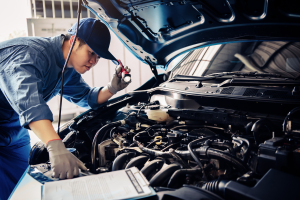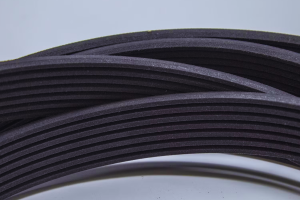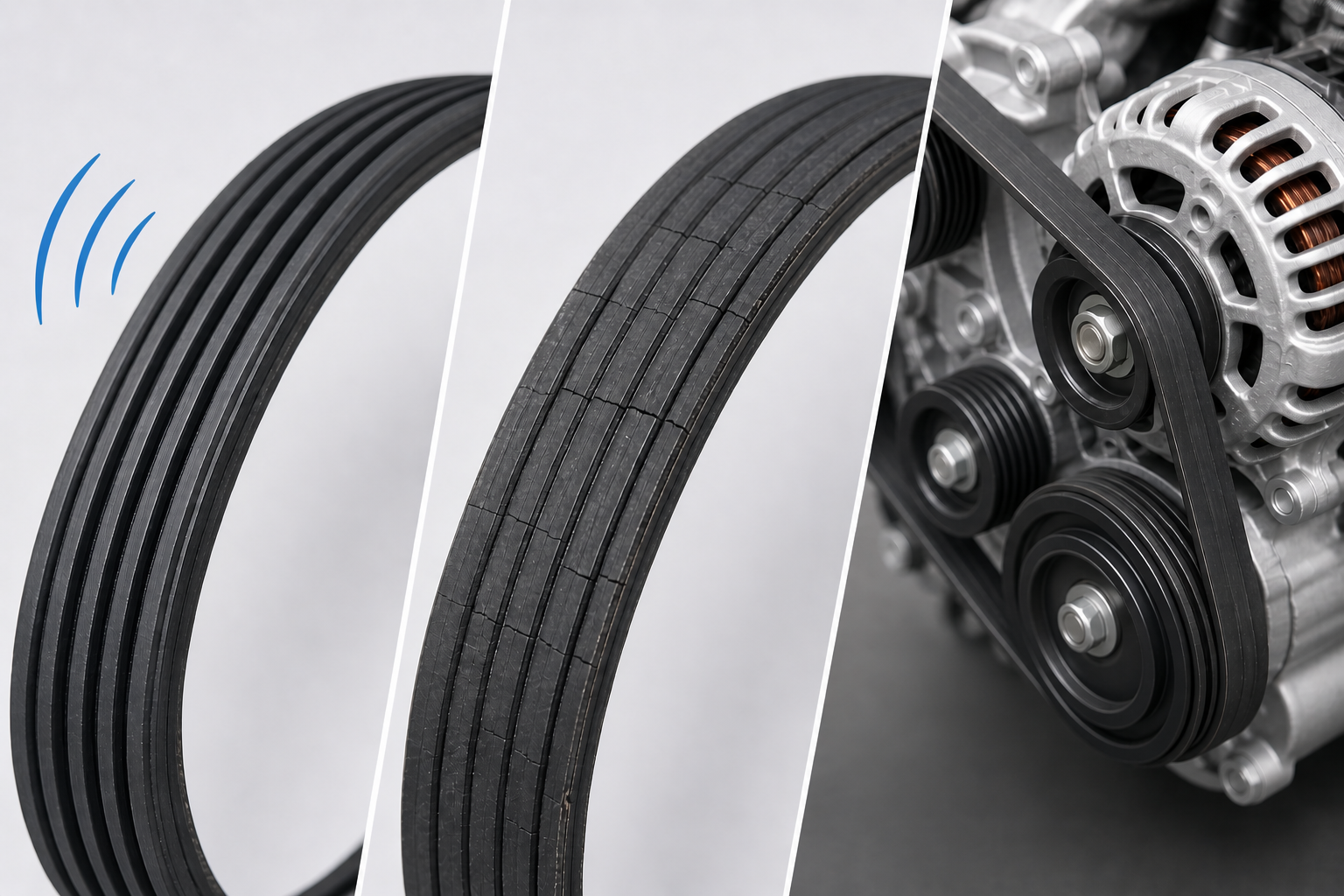
A failing automotive belt almost always announces itself before it snaps. The challenge is recognizing the warning signs early enough to act. By the time most car owners hear or feel a clear problem, the belt is often weeks or even days from total failure. Knowing what to look for — and what to do about it — is the difference between a routine automotive belt replacement at the workshop and being stranded on the side of the road in 45-degree heat.
This guide is written for car owners, mechanics, and retail buyers across the UAE who want to understand the early symptoms of automotive belt wear, the underlying causes, and the right course of action. If you are looking for high-quality replacement belts manufactured locally to international standards, Universal Rubber Belt Manufacturing supplies a complete range for retail and trade buyers. The wider catalogue is also available at universalbelt.ae.
The faster a worn belt is identified and replaced, the lower the total cost — both in money and in safety risk.
Why Automotive Belt Replacement Matters
The accessory drive belt — usually a PK belt or serpentine belt — quietly powers the most important auxiliary systems in any modern vehicle.
It typically drives:
- The alternator, which keeps the battery charged
- The water pump, which circulates engine coolant
- The power steering pump
- The air conditioning compressor
- Sometimes the cooling fan or supercharger
When the belt fails, these systems fail with it. In a UAE summer, that combination of failures can become dangerous very quickly. A discharged battery, a hot cabin, heavy steering, and rising engine temperature can turn a small mechanical issue into a roadside emergency.
This is why understanding the early warning signs and acting on them is one of the most valuable habits any UAE driver can build.
Squealing or Chirping Noise From the Engine
The single most common warning sign of a worn automotive belt is a high-pitched squeal or chirp coming from the engine bay.
Common patterns include:
- A loud squeal on cold start that gradually fades
- A squeal that returns when the air conditioning is switched on
- A squeal that becomes louder with engine speed
- A short, rhythmic chirp that matches engine RPM
This noise is usually caused by belt slip. A glazed, stretched, or contaminated belt cannot grip the pulleys properly, so it slips against them and produces the characteristic squeal. It is the belt’s way of asking for attention.
A short squeal in cold weather can sometimes resolve as the belt warms up, but a persistent squeal is a clear signal that the belt or the tensioner is reaching the end of its service life.
Visible Cracks Across the Rib Face
A second strong indicator that an automotive belt needs replacement is visible cracking on the rib face.
Crack patterns often include:
- Small transverse cracks across each rib
- Longitudinal cracks running along the belt length
- Hairline cracks visible only when the belt is flexed
- Cracks accompanied by missing chunks of rubber
Cracking is usually caused by long-term heat exposure, ozone, age, or the loss of compound flexibility. Once a belt begins to crack visibly, replacement should not be delayed. The cracks weaken the structural integrity of the belt and increase the risk of sudden failure.
A useful inspection technique is to twist the belt gently and look at the rib face. Cracks that appear during the twist indicate the belt is no longer flexible enough to be reliable.
Glazing or a Shiny Rib Surface
Glazing is one of the more subtle warning signs of a worn automotive belt. A glazed belt has a smooth, shiny rib surface that no longer grips the pulley properly.
Causes of glazing include:
- Long-term exposure to heat
- Belt slippage that polishes the rib surface
- Contamination from oil or coolant
- A failing tensioner that fails to maintain correct grip force
Glazing reduces friction between the belt and the pulley, which causes further slip and accelerates wear. By the time a belt is visibly glazed, replacement is the right call. Cleaning a glazed belt with friction sprays or solvents is rarely a long-term solution.
Visible Fraying or Edge Damage
The outer edges of a healthy belt should be clean and consistent. Fraying or shredding along the edge is a clear warning sign.
Causes of edge damage include:
- Misaligned pulleys
- A worn or seized tensioner
- A bent or damaged idler pulley
- Foreign objects rubbing against the belt edge
- Severe age or compound breakdown
Edge damage is particularly serious because it indicates an underlying alignment or tensioner problem in addition to the belt itself. A new belt fitted without addressing the underlying cause will usually develop the same damage within a short period.
Belt Vibration or Pulsing Noise
A worn or damaged automotive belt can also produce vibration or pulsing under the bonnet.
Typical symptoms include:
- A rhythmic thumping noise at idle
- Visible flutter of the belt when the engine is running
- Steering wheel vibration that comes and goes with engine speed
- Vibration that worsens when accessory load increases
Belt vibration is often caused by uneven wear, missing chunks of rubber from the rib face, or a failing tensioner that cannot dampen normal belt motion. In all cases, the underlying issue should be diagnosed and the belt replaced.
Warning Lights for Charging or Air Conditioning
The dashboard often gives early warning of an automotive belt problem, even before the driver notices anything mechanical.
Belt-related warning lights and indicators include:
- The battery or charging warning light
- The check engine light, in some cases
- Loss of air conditioning cooling
- Power steering loss warning, on electric-hydraulic systems
- Engine temperature warning if the water pump is belt-driven
When several of these symptoms appear together, the most likely cause is belt slip or impending belt failure. The vehicle should be inspected as soon as possible.
Loss of Power Steering Assistance
A sudden loss of power steering assistance is one of the most noticeable signs of belt failure on vehicles with hydraulic power steering.
The driver typically experiences:
- Heavy steering effort, particularly at low speed
- Jerky or inconsistent steering feel
- Rising effort during turning
- Possible whining noise from the power steering pump
Most modern vehicles have moved to electric power steering, which is not affected by belt failure. But on older or commercial vehicles with hydraulic systems, this is a clear and urgent symptom that requires immediate attention.
Loss of Air Conditioning Cooling
In the UAE climate, the loss of air conditioning is more than an inconvenience — it is a safety issue. A failing automotive belt can be the underlying cause.
Typical patterns include:
- Cooling that comes and goes with engine speed
- Reduced cold air output even at high fan speed
- Squealing that intensifies when the air conditioning is switched on
- Complete loss of cooling combined with other symptoms
Drivers who notice their air conditioning weakening should not assume the issue is in the air conditioning system itself. A worn or slipping accessory drive belt is a common cause and should be checked first.
Engine Overheating
On vehicles with a belt-driven water pump, automotive belt failure can directly cause overheating.
The sequence is usually:
- Belt slip or loss of grip
- Reduced water pump speed
- Reduced coolant circulation
- Rising engine temperature
- Possible engine damage if not addressed
This is one of the most serious consequences of belt failure. Overheating can damage the cylinder head, head gasket, and other critical components. Drivers who see the temperature gauge rising should pull over safely and call for assistance rather than push on.
Rough Engine Idle or Stalling
In some cases, automotive belt issues can cause rough idle or stalling.
This usually happens when:
- A failing belt creates additional drag on the crankshaft
- A seizing accessory pulley loads the engine unevenly
- Belt slip causes erratic alternator output and electrical issues
- A failed belt allows accessory components to seize entirely
Rough idle is rarely the first symptom of belt wear, but when it appears in combination with squealing or visual belt damage, it confirms the urgency of replacement.
How to Inspect Your Automotive Belt
A basic visual inspection of an accessory drive belt takes only a few minutes and can be done safely with the engine cool and switched off.
The inspection should include:
- Looking at the rib face for cracks, missing chunks, or glazing
- Checking the belt edges for fraying
- Examining the outer back for splits or contamination
- Pressing the belt gently to test deflection
- Checking the tensioner for free movement and even spring force
Mechanics also use simple tools such as a flashlight, a wear gauge, and a sonic tension meter to confirm the belt’s condition. Workshops in the UAE typically include this inspection as part of any major service.
Common Causes of Premature Belt Failure
A new belt that fails earlier than expected almost always has an underlying cause beyond the belt itself.
The most common causes include:
- Misaligned pulleys
- A worn or seized tensioner
- A failing idler pulley with rough bearings
- Oil or coolant contamination
- Excessive operating temperature
- Counterfeit or low-quality replacement belts
- Incorrect installation or routing
Replacing the belt without addressing the underlying cause usually leads to another premature failure. A complete drive system inspection at the time of belt replacement is well worth the small additional time investment.
What to Do When You Notice the Warning Signs
When a driver or workshop technician sees the warning signs, the right sequence of actions for a smooth automotive belt replacement is straightforward.
The recommended steps are:
- Reduce vehicle use until the issue is inspected
- Avoid running the air conditioning continuously if the belt is squealing under load
- Schedule a workshop inspection as soon as possible
- Have the entire drive system checked, not just the belt
- Replace the belt and any worn tensioner or idler at the same time
Acting quickly almost always reduces total cost. Continuing to drive a vehicle with a clearly failing belt risks consequential damage to expensive components such as the alternator, water pump, or air conditioning compressor.
Choosing the Right Belt for an Automotive Belt Replacement
Once the decision to replace has been made, the next step in any automotive belt replacement is choosing the right belt for the job.
Selection criteria include:
- Matching the original belt code or vehicle specification exactly
- Choosing a belt with a heat-resistant compound suitable for UAE conditions
- Ensuring the belt is sourced from a reputable manufacturer
- Verifying the supplier’s warranty and traceability
- Avoiding the temptation to choose the cheapest option available
A premium UAE-manufactured belt often offers the best balance of performance, quality, and lead time, particularly for workshops that need to keep customers moving.
When the Tensioner Should Be Replaced Too
Many automotive belt replacement jobs benefit from replacing the tensioner at the same time, especially on higher-mileage vehicles.
A tensioner should be replaced when:
- The bearing feels rough or notchy
- The spring force feels weak or inconsistent
- There is visible damage or rust
- The vehicle has high mileage and the original tensioner is still fitted
- Belt wear suggests inconsistent tension
A new belt fitted on an old tensioner can fail prematurely, undoing the value of the replacement. Workshops that fit a tensioner with every belt service rarely see comebacks.
Should Car Owners Handle Automotive Belt Replacement Themselves
Some confident DIY car owners can handle an automotive belt replacement at home, particularly on older vehicles. Others should not.
Considerations include:
- Access to a workshop manual or routing diagram
- Availability of the correct serpentine belt tool
- Comfort working in tight engine bays
- Confidence in identifying tensioner and idler condition
- Willingness to inspect the entire drive system
For modern vehicles with complex accessory layouts, professional replacement is usually the safer choice. The cost of mistakes — incorrect routing, damaged tensioners, or premature failure — can far exceed the cost of professional service.
Cost Expectations for Automotive Belt Replacement in the UAE
The cost of automotive belt replacement varies based on vehicle, belt type, and supplier.
Cost categories typically include:
- A relatively inexpensive accessory drive belt
- Modest to moderate labour for accessory belt replacement
- Higher overall cost for timing belt service kits
- Optional but recommended tensioner and idler replacement
Workshops should explain the cost structure clearly to customers, including why optional items such as tensioner replacement add value. Transparent pricing builds trust and reduces resistance at point of sale.
How UAE Conditions Accelerate Belt Wear
The UAE operating environment significantly affects automotive belt lifespan.
Local factors include:
- Sustained high ambient temperatures
- Continuous heavy use of the air conditioning compressor
- Frequent short urban trips that cause heat-soak cycles
- Sand and dust ingress in the engine bay
- High-speed highway driving over long distances
Belts produced specifically for the UAE market — with heat-resistant compounds and dust-tolerant constructions — perform measurably better than generic global products in these conditions.
Belt Symptoms by Vehicle Type in the UAE
Different vehicles develop different patterns of automotive belt wear. Recognizing these patterns helps drivers and workshops prioritize inspection and replacement.
Taxis and Ride-Share Vehicles
These vehicles run extremely high mileage with continuous engine and air conditioning loads. Symptoms often appear earlier than the manufacturer’s recommended interval suggests. Cold-start squealing, glazing, and rib cracks tend to dominate the warning signs.
Family Sedans and SUVs
Standard passenger cars typically reach the warning sign threshold around the manufacturer’s recommended interval. Owners often notice a faint squeal in the morning before any visible damage develops.
Luxury and Performance Vehicles
Tighter accessory drive systems and higher rotational speeds mean that low-quality belts fail noticeably faster. Vibration, edge fraying, and tensioner-related symptoms are more common on this segment than on standard passenger cars.
Commercial Vans and Light Trucks
These vehicles experience high duty cycles and significant belt heat exposure, especially when used for last-mile delivery in summer. Glazing, cracking, and air conditioning weakness are the most common early indicators.
Older Vehicles and Used Imports
Belts on imported used vehicles often arrive at unknown service mileage. Inspect at first service and treat any wear sign as a clear instruction to replace both belt and tensioner.
Preventive Maintenance Schedules That Actually Work
Workshops that move customers from reactive replacement to preventive replacement see better outcomes for everyone.
A practical preventive maintenance schedule includes:
- Visual belt inspection at every service interval
- Documented belt condition notes for each vehicle
- Recommended replacement intervals adjusted for UAE conditions
- Tensioner inspection at every belt change
- Customer communication on belt and tensioner findings
When customers see clear evidence of wear and a clear timeline for replacement, they almost always agree to the work. Reactive customers — those who only act when something fails — face higher total costs and more roadside risk.
Frequently Asked Questions About Belt Replacement
A few questions come up repeatedly from car owners and new mechanics.
How urgent is a squealing belt?
A persistent squeal should be treated as urgent. It indicates the belt is slipping and that something — the belt itself, the tensioner, or a contaminated pulley — needs attention. A short cold-start squeal that fades is less urgent but should still be checked at the next service.
Can I drive with a cracked belt?
You can, but you should not for long. A cracked belt can fail without further warning. Plan for replacement within days rather than weeks.
What happens if my belt snaps while driving?
Most accessories will stop working immediately. The battery will discharge, the air conditioning will stop, the power steering may become heavy, and the engine may overheat if the water pump is belt-driven. Pull over safely as soon as possible.
Should I replace the tensioner at the same time?
On higher-mileage vehicles, almost always yes. The tensioner has a similar service life to the belt, and replacing both at once avoids a second labour charge and reduces the risk of premature failure.
Conclusion
Automotive belts rarely fail without warning. They squeal, they crack, they glaze, they fray, and they cause symptoms across the dashboard and the cabin long before they snap. Drivers who learn to recognize these warning signs — and workshops that inspect carefully at every service — almost always replace belts on planned terms rather than emergency terms.
Automotive belt replacement is one of the lowest-cost preventive maintenance jobs available. The cost of replacing a worn belt is small compared to the cost of being stranded, the cost of consequential damage to accessories, and the cost of a tow back to a workshop in 45-degree heat.
For UAE drivers, mechanics, and retailers, the right approach is straightforward: inspect at every service, act on the warning signs, replace tensioners with belts when needed, and choose a quality belt from a trusted UAE manufacturer. That combination of habits keeps vehicles reliable, customers loyal, and repair bills predictable.