In the fast-growing industrial landscape of the Gulf Cooperation Council (GCC), efficiency and durability are vital. From manufacturing to automotive assembly, industries rely heavily on rubber banded belts for smooth, consistent, and long-lasting power transmission. As GCC countries like the UAE, Saudi Arabia, and Oman continue investing in industrial growth and automation, the demand for high-performance belts has never been greater.
This article explores the key industrial applications of rubber banded belts in the GCC, why they are critical to modern operations, and how companies can ensure maximum efficiency by choosing the right suppliers.
What Are Rubber Banded Belts?
Definition and Construction
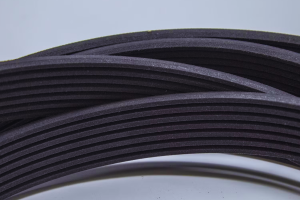
Rubber banded belts are multiple V-belts joined together with a band, forming a single integrated unit. This design provides higher stability, reduced slippage, and superior load distribution compared to conventional belts.
Key Features
- Durability: Designed to withstand heavy loads and harsh environments.
- Precision: Uniform power transmission across pulleys.
- Reduced Maintenance: Less prone to misalignment and belt whip.
- Versatility: Suitable for automotive, industrial, and agricultural use.
Why They Matter in the GCC
The GCC’s climate (high heat, dust, humidity) puts extraordinary stress on industrial machinery. Rubber banded belts are engineered to perform reliably in extreme conditions, making them indispensable in the region’s industries.
Industrial Applications of Rubber Banded Belts in the GCC
Automotive Industry in the GCC
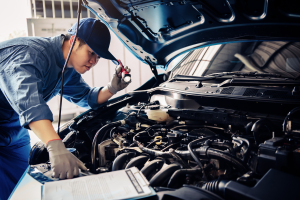
The GCC is a major hub for automotive distribution and aftermarket services. Rubber banded belts are used in:
- Engine Components: Alternators, water pumps, and AC compressors.
- Assembly Lines: Powering conveyors and robotics for vehicle assembly.
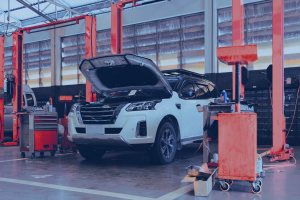
- Aftermarket Supply: With rapid vehicle ownership in the UAE and Saudi Arabia, demand for replacement belts is high.
Manufacturing and Processing Plants
Across Dubai, Abu Dhabi, and Riyadh, manufacturing is expanding in food processing, packaging, and building materials. Rubber banded belts ensure:
- Continuous Operations: Less downtime from belt failures.
- Energy Efficiency: Smoother power transfer reduces energy loss.
- Cost Savings: Lower maintenance frequency and long service life.
Oil & Gas and Petrochemicals
The GCC is a global leader in oil & gas production. Here, rubber banded belts are used in:
- Pumps and Compressors for refinery operations.
- Heavy-Duty Machinery in petrochemical processing.
- Material Handling Systems for safe, efficient transport of products.
Given the region’s harsh operating environments, rubber belts built for resilience are crucial.
Mining and Quarrying
Saudi Arabia, Oman, and UAE have expanding mining industries (limestone, gypsum, copper). Rubber banded belts are critical for:
- Crushers and Mills handling abrasive materials.
- Conveyor Systems moving raw ores.
- High-Torque Equipment requiring stable, vibration-free power.
Agriculture and Food Production
Agriculture in the GCC relies on mechanized farming and food packaging. Rubber banded belts are used in:
- Irrigation Equipment such as pumps.
- Harvesting Machinery for efficient crop processing.
- Packaging Plants for bottled water, dates, dairy, and poultry.
Logistics, Ports, and Airports
The GCC’s logistics sector is booming, with Dubai and Jeddah serving as global trade hubs. Rubber banded belts keep conveyors and handling systems running in:
- Cargo Handling Systems at ports.
- Airport Baggage Conveyors in Dubai, Doha, and Riyadh.
- Warehousing and Distribution Centers for e-commerce giants.
Benefits of Using Rubber Banded Belts in GCC Industries
Longer Lifespan and Reliability
Unlike standard belts, banded belts resist twisting and misalignment, making them last longer even in extreme GCC heat and dust.
Lower Operational Costs
Reduced downtime and fewer replacements cut costs over time.
High Power Transmission
Ideal for high-load applications like mining, oil & gas, and heavy manufacturing.
Environment-Friendly Choice
Modern rubber belts are increasingly manufactured with eco-friendly processes, aligning with GCC’s push toward sustainability.
Key Factors to Consider When Choosing Rubber Banded Belts in GCC
Material Quality
Choose belts with heat-resistant rubber compounds for GCC climates.
Supplier Reliability
Working with a local supplier in the UAE or GCC ensures faster delivery and better technical support.
Application Fit
Consider whether belts are used in automotive, manufacturing, or heavy-duty industries.
Cost vs. Value
Focus on total cost of ownership, not just purchase price.
Market Trends Driving Demand in the GCC
- Industrial diversification in Saudi Arabia (Vision 2030).
- UAE manufacturing expansion.
- Mining projects in Oman.
- Logistics growth linked to e-commerce.
These trends are accelerating the adoption of rubber banded belts in GCC industries.
Universal RBM – Leading Supplier of Rubber Banded Belts in the GCC
Based in Dubai, Universal Rubber Belts Manufacturing (Universal RBM) is positioned to serve the GCC with:
- Made in UAE products built for regional climates.
- Custom engineering support for industrial and automotive needs.
- Shorter lead times compared to imported belts.
- Commitment to quality and precision.
Universal RBM ensures industries across the GCC have access to durable, high-performance rubber banded belts tailored to their needs.
Conclusion
Rubber banded belts are more than just mechanical components—they are the backbone of GCC industries ranging from automotive and manufacturing to oil & gas and logistics. As industrial expansion continues, businesses that invest in durable, efficient, and locally supplied belts will benefit from increased uptime, lower costs, and long-term reliability.
For companies seeking the best in the region, Universal RBM in Dubai offers the expertise, production capacity, and quality standards to support GCC industrial growth.