Modern vehicles depend on a small but critical component to keep their accessory drives running: the PK belt. Also known as a poly V-belt, multi-rib belt, or ribbed serpentine belt, the PK belt drives the alternator, water pump, power steering pump, air conditioning compressor, and other engine accessories from a single drive belt. When workshops and auto parts retailers in the UAE need to source replacement belts quickly, knowing where and how to buy PK belts in Dubai becomes a core part of running a profitable, reliable operation.
This guide is for workshop owners, auto parts retailers, fleet managers, and procurement teams across Dubai and the wider UAE. It walks through what makes a quality PK belt, how to identify the correct part for a customer’s vehicle, the risks of cheap counterfeit belts, and how to find a trusted local supplier. If you are evaluating PK belt suppliers, Universal Rubber Belt Manufacturing offers a UAE-based source with full automotive coverage. You can also browse the wider product range at universalbelt.ae.
The Dubai automotive aftermarket is large, fast-moving, and competitive. Customers expect their cars to be repaired the same day. Retailers and workshops that stock the right belts, in the right sizes, from the right supplier consistently outperform those that do not. Knowing where to buy PK belts in Dubai with confidence is one of the most underrated levers a workshop or parts retailer has on its profitability.
Why PK Belts Are Essential for Modern Vehicles
Almost every modern petrol and diesel vehicle on Dubai’s roads uses a PK belt to drive its accessory components. The belt typically loops around the crankshaft pulley and connects to multiple driven pulleys across the front of the engine.
The accessories driven by a single PK belt usually include:
- The alternator, which charges the battery
- The water pump, which circulates engine coolant
- The power steering pump
- The air conditioning compressor
- The supercharger or auxiliary fan, in some configurations
Because a single PK belt drives so many critical components, its failure can immediately disable the vehicle. A snapped belt means no charging, no cooling, no air conditioning, and often no safe driving at all.
In a region where summer temperatures exceed 45°C, a working air conditioning system is not optional. A failed PK belt can leave a customer stranded in extreme heat. That is why the demand for high-quality replacement PK belts in the UAE is constant year-round.
What Makes a PK Belt Different from Other Automotive Belts
Workshops often deal with multiple types of automotive belts. Knowing the difference helps when ordering, stocking, and recommending replacements.
The main automotive belt types are:
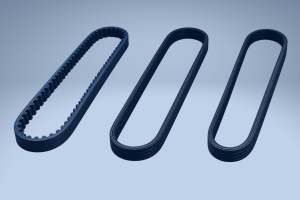
- PK belts (poly V-belts), used in most modern accessory drives
- Classical V-belts, used in older vehicles and some industrial drives
- Timing belts, which synchronize the crankshaft with the camshaft
- Stretch fit belts, used on certain newer engines without tensioners
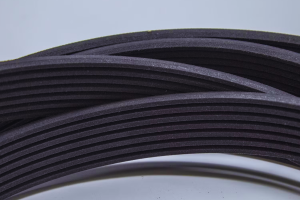
PK belts are recognized by their ribbed underside, which sits in the matching grooves of the pulley. The number of ribs is identified by the K designation: a 6PK belt has six ribs, a 4PK belt has four, and so on.
The full PK belt code typically reads as a number-letter-number combination. For example, 6PK1850 indicates a six-rib PK belt with an effective length of 1,850 millimeters. This standardized code makes it easy to identify replacements once a workshop knows what the original vehicle requires.
Why Workshops and Retailers in Dubai Need a Reliable PK Belt Supplier
The UAE has one of the largest per-capita car populations in the world. Dubai alone hosts thousands of workshops, garages, dealerships, and parts retailers serving private cars, taxis, ride-share fleets, logistics fleets, and commercial vehicles.
For these businesses, the ability to buy PK belts in Dubai with consistency directly affects:
- Same-day repair turnaround
- Customer satisfaction
- Workshop profitability
- Inventory planning
- Pricing competitiveness
A workshop that constantly waits for PK belts to be imported from overseas loses repair jobs to competitors who have the same belt on the shelf. A parts retailer that carries inconsistent inventory will see commercial buyers move to a more reliable source.
This is why many UAE-based businesses are now actively choosing local manufacturers and stockists for their PK belt requirements.
Common PK Belt Sizes and Profiles Used in the UAE Market
The Dubai vehicle parc is unusually diverse. Workshops may service Japanese sedans, German luxury cars, Korean compacts, American pickups, European commercial vans, and Chinese SUVs in a single day. Each platform tends to use different PK belt sizes.
The most commonly required PK belt configurations in the UAE include:
- 4PK and 5PK belts for smaller engines
- 6PK belts for the majority of mid-size sedans and SUVs
- 7PK belts for some V6 and V8 engines
- 8PK belts for trucks, commercial vehicles, and select luxury cars
Belt lengths typically range from around 700 mm to over 2,500 mm, depending on the vehicle.
A workshop or retailer that wants to capture the largest share of the market should plan its inventory around these high-frequency sizes first, then add specialty sizes based on the customer mix.
How to Identify the Right PK Belt for a Vehicle When You Buy PK Belts in Dubai
Selling or fitting the wrong belt is one of the most common causes of customer complaints in the aftermarket. To avoid this, workshops and retailers who buy PK belts in Dubai should verify the belt specification before ordering.
Verification methods include:
- Reading the original belt code printed on the side of the existing belt
- Cross-referencing the vehicle make, model, year, and engine code in a parts catalogue
- Comparing the belt against the manufacturer’s specification chart
- Confirming the rib count and length physically before installation
When ordering bulk PK belts in Dubai, retailers should make sure their supplier provides clear part numbers, vehicle cross-references, and physical samples if needed. This reduces the risk of stocking belts that do not match the most common local applications.
Quality Indicators When Buying PK Belts in Dubai
Not all PK belts are created equal. Two belts that look identical at first glance can perform very differently under real driving conditions.
Quality indicators that experienced buyers check include:
- Compound type (EPDM compounds resist heat and cracking better)
- Rib accuracy and consistency across the belt length
- Cord material and tensile strength
- Surface finish and absence of moulding flash
- Manufacturer markings, batch codes, and traceability
- Compliance with international automotive standards
Premium PK belts are designed to last 60,000 to 120,000 kilometers depending on the vehicle and operating conditions. Lower-quality belts may begin to crack, glaze, or stretch in a fraction of that time.
Because Dubai drivers expose vehicles to extreme heat, dust, and high air conditioning loads, choosing belts with strong heat resistance and abrasion resistance is especially important.
The Risk of Counterfeit and Low-Quality PK Belts
The automotive aftermarket in any major market faces ongoing issues with counterfeit and substandard belts. Dubai is no exception. Workshops and retailers should be alert to common warning signs.
Indicators of counterfeit or low-grade belts include:
- Packaging that copies a brand but feels inconsistent
- Missing batch codes or traceability information
- Inconsistent rib spacing or visible flash on the ribs
- Unusually low pricing compared to the market
- Suppliers unable to provide test data or certifications
The cost of fitting a counterfeit PK belt is rarely just the belt itself. A premature failure can damage the alternator, the water pump pulley, the power steering pump, or the air conditioning compressor. The customer often returns angry, and the workshop pays for the rework.
Working with a verified UAE manufacturer or authorized supplier dramatically reduces this risk.
OEM, Aftermarket, and Premium Aftermarket: What to Stock
PK belts available in the Dubai market generally fall into three commercial categories.
These categories are:
- OEM belts, sold through dealers under the vehicle manufacturer’s brand
- Standard aftermarket belts, sold under various brand names at lower prices
- Premium aftermarket belts, often produced to OEM specification or above
For workshops, the right stocking strategy usually combines premium aftermarket belts for the most common sizes with selective OEM availability for high-end customers and specialty vehicles.
A locally manufactured premium aftermarket belt offers a strong middle ground. It often matches OEM performance while being faster and cheaper to source than imported branded products.
Pricing Considerations When Buying PK Belts in Dubai
PK belt pricing in the Dubai market varies widely. Three retailers can quote three very different prices for what looks like the same belt size.
Pricing is typically influenced by:
- Compound and construction quality
- Brand positioning and marketing
- Import duties, freight, and currency exposure
- Volume discounts and trade pricing tiers
- Local stock availability vs back-order
Workshops should avoid making purchasing decisions on price alone. A belt that is 30 percent cheaper but lasts only half as long is not a saving — it is a hidden cost in callbacks, rework, and customer churn.
A trusted UAE-based supplier can offer competitive pricing without the unpredictability of overseas freight, currency swings, and import delays.
Why UAE-Manufactured PK Belts Offer Better Value
There has been a significant shift in the GCC aftermarket toward UAE-manufactured automotive belts. The reasons are practical.
Local manufacturing offers buyers in Dubai:
- Shorter lead times for replenishment
- Reduced freight and import overhead
- Faster response on custom or specialty sizes
- Direct technical support in the same time zone
- Greater traceability and quality consistency
- Less exposure to global shipping disruptions
For workshops and retailers, this often means lower total cost, better stock availability, and more predictable supply.
A UAE manufacturer that produces PK belts to international automotive standards effectively gives the local market an OEM-grade option without OEM-grade lead times.
What Workshops Should Ask Their PK Belt Supplier
Choosing the right supplier is as important as choosing the right belt. The supplier-customer relationship determines reliability over the long term.
Before committing to a PK belt supplier, workshops should ask:
- What automotive standards do your belts comply with
- What is the typical lead time for the most common PK belt sizes
- Can you support both standard and specialty sizes
- Do you provide cross-reference data for major vehicle makes
- What is your warranty and replacement policy
- How do you handle quality complaints
A supplier that answers these questions clearly and provides documentation is generally a better long-term partner than one that simply quotes the lowest price.
Inventory Planning for PK Belts in a Workshop or Parts Store
Stocking PK belts efficiently requires data, not guesswork. The right inventory mix depends on the workshop’s customer profile.
Practical inventory planning steps include:
- Reviewing six to twelve months of past belt sales by size
- Identifying the top ten fastest-moving PK belts
- Categorizing remaining sizes as medium or slow movers
- Setting reorder points based on lead time from the supplier
- Keeping safety stock for the highest-volume sizes
- Reviewing the inventory mix every quarter
A workshop that buys PK belts in Dubai from a local manufacturer can often reduce its on-hand stock without increasing risk because replenishment is fast.
Logistics and Delivery When You Buy PK Belts in Dubai
Speed and predictability of delivery often matter as much as the belt itself. A workshop with a customer waiting in the bay cannot afford a forty-eight-hour wait for a belt across town.
Reliable PK belt logistics in Dubai usually involves:
- Same-day or next-day delivery for in-stock items
- Multiple delivery slots across the working day
- Clear visibility on availability before ordering
- Direct contact with a sales or customer service representative
- Integrated emergency response for urgent orders
A local UAE manufacturer with a Dubai warehouse is typically positioned to support this kind of fast turnaround better than an overseas supplier or an importer dependent on customs clearance.
Building a Long-Term Relationship with a Trusted PK Belt Supplier
Buying PK belts is rarely a one-off transaction. It is an ongoing supply relationship that affects the daily operation of a workshop or parts business.
Long-term supplier relationships deliver:
- Consistent product quality
- Predictable pricing
- Priority access to new sizes and applications
- Stronger commercial terms over time
- Joint planning for seasonal demand peaks
A workshop or retailer that views a PK belt supplier as a strategic partner rather than a price quote tends to outperform competitors over the long run.
Common Mistakes When You Buy PK Belts in Dubai (and How to Avoid Them)
Even experienced buyers occasionally make purchasing mistakes that erode profitability when they buy PK belts in Dubai.
Common mistakes include:
- Buying based purely on price without checking quality
- Stocking too many sizes at low quantities, tying up capital
- Failing to verify the belt code against the vehicle specification
- Relying on a single overseas supplier with no local backup
- Ignoring warranty terms and claim procedures
Avoiding these mistakes is largely a discipline of process: standard checking procedures, defined supplier criteria, and regular inventory reviews.
Buying PK Belts for Fleet Operators in the UAE
Fleet operators have a different buying profile from workshops or parts retailers. They typically purchase belts in larger volumes for predictable maintenance schedules.
Fleet considerations include:
- Standardized belt sizes across the fleet where possible
- Bulk pricing agreements with the supplier
- Scheduled replacement intervals to avoid roadside failures
- Centralized inventory or supplier-managed stock
- Performance reporting on belt life by vehicle type
A UAE-based PK belt manufacturer can support fleet operators with dedicated commercial terms, scheduled deliveries, and joint failure analysis if any belt issue occurs.
Where to Buy PK Belts in Dubai with Confidence
The Dubai automotive aftermarket has many sources for PK belts, but not all are equal. Buyers should evaluate suppliers on quality, traceability, lead time, technical support, and long-term reliability rather than purely on the lowest price.
A strong supplier profile typically includes:
- A UAE-based manufacturing or warehousing operation
- International quality certifications
- A complete range of common PK belt sizes
- Support for specialty and low-volume sizes
- Clear technical documentation and cross-references
- Responsive sales and customer service
For workshops, retailers, and fleet operators that want to buy PK belts in Dubai with confidence, Universal Rubber Belt Manufacturing offers a UAE-based, internationally aligned source for the entire range of automotive PK belts.
Frequently Asked Questions About Buying PK Belts in Dubai
Workshops and retailers often raise the same set of practical questions when sourcing PK belts. The most common are answered below.
How do I know which PK belt my customer’s vehicle needs?
Check the existing belt for a code such as 6PK1850. The first number is the rib count, the letters confirm the PK profile, and the final number is the effective length in millimeters. If the original belt is missing or worn, cross-reference the vehicle make, model, year, and engine code in a parts catalogue.
How long should a quality PK belt last?
A premium PK belt fitted correctly to a healthy drive system typically lasts between 60,000 and 120,000 kilometers. Performance varies with operating temperature, dust, alignment, and tensioner condition. UAE conditions tend to push belts toward the lower end of this range, which is why heat-resistant compounds matter.
Is it safe to mix PK belt brands in one workshop?
Mixing brands is acceptable provided every belt meets a comparable quality standard. Workshops that consolidate around a single trusted supplier benefit from consistent quality, simpler inventory, and easier warranty handling.
What is the typical lead time when buying PK belts in Dubai?
A UAE-based manufacturer or stockist will usually deliver in-stock PK belts the same day or the next day within Dubai, and within two to three days across the UAE. Imported belts can take several weeks if the size is not held in local stock.
Can a UAE manufacturer produce PK belts to OEM specification?
Yes. Manufacturers in the UAE that follow international automotive standards routinely produce PK belts that match or exceed OEM specifications, often with shorter lead times and more flexible commercial terms.
Aligning PK Belt Sourcing with Workshop Growth Strategy
PK belt sourcing is rarely seen as a strategic decision, but for ambitious workshops and parts retailers it absolutely is. The supplier you choose shapes your operating costs, your customer experience, and your ability to scale.
Strategic considerations include:
- Whether your supplier can grow with you as you add bays or branches
- Whether they can support both retail counter sales and B2B fleet contracts
- Whether their pricing structure allows for healthy margins at each tier
- Whether their technical team can support warranty investigations
- Whether they can introduce new sizes and applications quickly
A workshop that locks in a strong PK belt supply relationship early often finds it easier to win larger fleet contracts later, because the supply chain behind it is already proven.
This is one of the reasons that established Dubai workshops increasingly choose to buy PK belts in Dubai from UAE manufacturers with full automotive coverage rather than chase the lowest-priced import of the month.
Conclusion
The PK belt is a small component, but its impact on workshop performance, customer satisfaction, and aftermarket profitability is significant. For workshops, parts retailers, and fleet operators in Dubai, the ability to buy PK belts that are consistent, certified, and quickly replenished is a competitive advantage.
Buyers who treat PK belt sourcing strategically — focusing on quality, supplier reliability, and inventory discipline rather than the lowest unit price — consistently outperform those who do not. The UAE manufacturing sector now offers a compelling alternative to imported belts, with shorter lead times, stronger technical support, and product quality that meets or exceeds international automotive standards.
Whether you operate a single garage in Al Quoz, a multi-branch parts retail business, or a logistics fleet running across the GCC, choosing the right PK belt supplier is one of the highest-leverage decisions you can make for your operation.