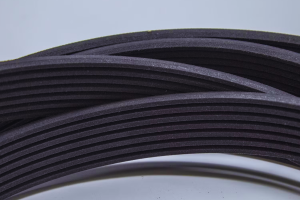
In industrial power transmission systems, reliability is never accidental. It is the result of correct design, precise engineering, and a deep understanding of how components behave under real operating conditions. Among all the factors that influence belt performance, industrial rubber belt stretch remains one of the most misunderstood and often misdiagnosed issues across industries.
Many maintenance teams assume that a belt that loses tension is defective. In reality, stretch, creep, and elongation are natural mechanical behaviors that occur in every rubber belt to varying degrees. When these behaviors are not properly understood, systems suffer from premature belt failure, reduced efficiency, unplanned downtime, and higher operating costs.
This article explains industrial rubber belt stretch belt stretch in a practical, engineering-focused way. It clarifies the differences between stretch, creep, and elongation, explains why they occur, and shows how they impact industrial applications. Most importantly, it helps engineers, procurement teams, and maintenance professionals make better decisions when selecting, installing, and maintaining industrial belts.
What Is Industrial Rubber Belt Stretch?
industrial rubber belt stretch refers to the temporary or permanent increase in belt length when tension and load are applied during operation. Every belt stretches to some degree once installed and put into service. This behavior is not a defect; it is a mechanical response to load.
When a belt is tensioned and starts transmitting power, the internal cords, rubber compound, and reinforcement layers react to stress. The belt length increases slightly, which may require tension readjustment during early operation.
Understanding belt stretch begins with recognizing that not all stretch is the same. Some stretch is expected and stabilizes quickly. Other forms develop gradually over time and must be managed through correct design and material selection.
Why Belt Stretch Matters in Industrial Systems
Belt stretch directly affects system performance. Even small changes in belt length can lead to:
- Loss of correct tension
- Slippage and reduced power transmission
- Increased heat generation
- Higher wear on pulleys and bearings
- Noise and vibration
- Reduced belt service life
In high-load, high-temperature, or continuous-duty applications, uncontrolled belt stretch can lead to frequent retensioning or unexpected failures. This is why understanding belt stretch is essential for industries such as manufacturing, mining, logistics, construction, HVAC, agriculture, and power generation.
Stretch, Creep, and Elongation: Understanding the Differences
These three terms are often used interchangeably, but they describe different mechanical behaviors.
Initial Stretch
Initial stretch occurs immediately after installation when the belt is first tensioned and run under load. This type of belt stretch is mostly temporary and stabilizes after a short running-in period.
It happens because:
- Rubber compounds settle
- Cord alignment adjusts
- Internal stresses redistribute
Initial stretch is normal and expected. Proper installation procedures account for this behavior by recommending retensioning after the first hours or days of operation.
Elastic Elongation
Elastic elongation is the reversible stretching of a belt under load. When tension is removed, the belt returns to its original length.
This form of belt stretch depends on:
- Applied load
- Belt material
- Cord type
- Operating temperature
Elastic elongation allows belts to absorb shock loads and vibrations. However, excessive elastic elongation can reduce power transmission efficiency if the belt repeatedly loses optimal tension during operation.
Creep (Permanent Elongation)
Creep is the most critical and misunderstood form of industrial rubber belt stretch. It refers to the permanent increase in belt length over time, even when operating conditions remain constant.
Creep occurs due to:
- Long-term stress on tensile cords
- Heat exposure
- Continuous duty cycles
- Material fatigue
Unlike elastic elongation, creep is irreversible. Once creep develops, the belt will not return to its original length, and repeated retensioning becomes ineffective.
Understanding creep is essential when selecting belts for heavy-duty or continuous-operation environments.
The Role of Tensile Cords in Belt Stretch
The tensile cord is the backbone of any industrial belt. It carries the load and largely determines how much belt stretch occurs.
Common Cord Materials and Their Impact
Polyester cords offer good flexibility and moderate stretch resistance. They are widely used in general industrial applications.
Aramid cords provide high tensile strength and very low belt stretch. They are ideal for high-load, shock-load, and high-temperature environments.
Steel cords deliver extremely low stretch and high dimensional stability but reduce flexibility and require precise pulley alignment.
The choice of tensile cord has a direct impact on:
- Initial stretch
- Long-term creep resistance
- Load capacity
- Belt lifespan
How Load Conditions Influence Belt Stretch
Load is one of the primary drivers of belt stretch. When a belt operates near or above its design load, internal stresses increase significantly.
High loads accelerate:
- Cord fatigue
- Rubber deformation
- Heat generation
Shock loads, common in crushers, compressors, and heavy conveyors, place sudden stress on belts and increase the risk of permanent elongation.
Correct belt sizing, safety factors, and load analysis are essential to control belt stretch in demanding applications.
Temperature and Its Effect on Belt Stretch
Temperature has a powerful influence on rubber behavior. As temperature rises, rubber becomes more elastic, which increases belt stretch.
In hot environments:
- Elastic elongation increases
- Creep develops faster
- Rubber aging accelerates
In cold environments:
- Belts become stiffer
- Initial stretch may be reduced
- Risk of cracking increases
Selecting heat-resistant rubber compounds and appropriate cord materials is critical for applications exposed to extreme temperatures.
Installation Practices and Belt Stretch
Improper installation is a leading cause of excessive belt stretch.
Common installation errors include:
- Over-tensioning during installation
- Under-tensioning that leads to slippage
- Misaligned pulleys
- Incorrect pulley diameters
- Reusing worn pulleys with new belts
Over-tensioning is particularly harmful. It places unnecessary stress on tensile cords and accelerates creep, reducing belt life significantly.
Correct installation procedures ensure that belt stretch remains within expected limits and stabilizes quickly.
Retensioning: When and Why It Matters
Retensioning compensates for initial belt stretch and early elastic elongation. It should be performed after the belt has completed its initial run-in period.
However, repeated retensioning is a warning sign. If a belt requires frequent retensioning, it may indicate:
- Incorrect belt selection
- Excessive load
- Advanced creep
- Thermal degradation
Understanding the difference between normal belt stretch and progressive creep helps maintenance teams decide when retensioning is effective and when replacement is necessary.
Belt Stretch and Energy Efficiency
Excessive belt stretch reduces energy efficiency. When tension drops, belts slip, and power transmission efficiency decreases.
This leads to:
- Higher energy consumption
- Increased heat generation
- Reduced motor efficiency
In large industrial systems, even small efficiency losses can result in significant energy costs over time. Controlling belt stretch is therefore not just a maintenance issue but also an energy management strategy.
Belt Stretch in Different Industrial Applications
Manufacturing and Processing Plants
Continuous operation and variable loads make belt stretch a critical consideration. Low-stretch belts improve consistency and reduce downtime.
Mining and Quarrying
Heavy loads, shock conditions, and abrasive environments accelerate creep. High-strength, low-stretch belts are essential.
Logistics and Warehousing
Precision and reliability are key. Excessive belt stretch can disrupt automated systems and sorting accuracy.
HVAC Systems
Temperature fluctuations and long operating hours require belts with stable elongation characteristics.
Agriculture
Seasonal operation and dusty environments demand belts that tolerate moderate stretch without frequent adjustment.
Selecting the Right Belt to Control Stretch
To manage belt stretch effectively, selection must consider more than just size.
Key selection factors include:
- Load requirements
- Duty cycle
- Operating temperature
- Pulley design
- Required service life
Choosing a belt with higher tensile strength than necessary may seem conservative, but it often reduces creep and improves long-term reliability.
Testing and Quality Control Related to Belt Stretch
Reputable manufacturers test belts for:
- Tensile strength
- Elongation under load
- Heat resistance
- Fatigue life
These tests ensure predictable belt stretch behavior in real-world applications. Consistent manufacturing quality reduces variation in elongation and improves system reliability.
Common Myths About Belt Stretch
One common myth is that all stretching indicates poor quality. In reality, controlled belt stretch is a natural and necessary characteristic.
Another misconception is that tighter is better. Over-tensioning causes more damage than moderate stretch and often leads to premature failure.
Understanding the science behind belt stretch helps eliminate these costly misunderstandings.
Managing Belt Stretch Through Preventive Maintenance
Preventive maintenance plays a key role in managing belt stretch.
Effective practices include:
- Regular tension checks
- Pulley alignment inspections
- Monitoring operating temperature
- Load verification
- Visual inspection for wear and cracking
Early detection of abnormal stretch prevents unexpected downtime and extends belt service life.
The Long-Term Cost of Ignoring Belt Stretch
Ignoring belt stretch leads to:
- Increased downtime
- Higher maintenance labor
- Premature belt replacement
- Equipment damage
- Energy inefficiency
When viewed over the full lifecycle, proper management of belt stretch significantly reduces total cost of ownership.
Future Trends in Low-Stretch Belt Technology
Advancements in materials and manufacturing are reducing belt stretch even further.
Modern developments include:
- Advanced aramid cords
- Improved rubber compounding
- Precision molding techniques
- Better heat-resistant formulations
These innovations help belts maintain dimensional stability in increasingly demanding industrial environments.
Conclusion
Belt stretch is not a flaw; it is a fundamental mechanical behavior that must be understood and managed. By distinguishing between stretch, creep, and elongation, industrial professionals can make informed decisions that improve reliability, efficiency, and service life.
Proper belt selection, correct installation, and disciplined maintenance transform belt stretch from a problem into a predictable and controllable factor. In today’s high-performance industrial systems, understanding belt stretch is no longer optional—it is essential for long-term operational success.