Rubber belts are critical components in industrial machinery. From conveyors and compressors to crushers, pumps, and material-handling systems, belts play a vital role in keeping operations running smoothly. However, in harsh industrial environments—especially across the GCC—rubber belts are exposed to extreme heat, dust, abrasion, heavy loads, and continuous operation. Without proper maintenance and timely troubleshooting, even high-quality belts can fail prematurely. These failures lead to unplanned downtime, costly repairs, and reduced operational efficiency. Fortunately, most belt failures are preventable. With the right maintenance practices, inspection routines, and early problem detection, businesses can significantly extend belt lifespan and reduce downtime.
This guide outlines practical maintenance strategies and troubleshooting insights to help industrial users maximize the performance and durability of rubber belts operating in demanding conditions.
Why Rubber Belt Maintenance Is Critical in Harsh Environments
Harsh environments accelerate belt wear. High temperatures can harden rubber compounds, dust can cause abrasion, and heavy loads can stretch or damage belt structures. When belts are neglected, small issues quickly turn into major failures.
Regular maintenance helps prevent unexpected breakdowns, improves machine efficiency, and protects surrounding components such as pulleys, bearings, and shafts. It also reduces long-term costs by minimizing emergency replacements and extending service intervals.
In industries where machinery operates continuously, maintenance is not optional—it is essential for operational stability.
Common Causes of Premature Rubber Belt Failure
Understanding why belts fail is the first step toward preventing it. In harsh environments, belt failures often result from a combination of mechanical stress and environmental exposure.
High temperatures can cause rubber to harden, crack, or lose flexibility. Dust and abrasive particles wear down belt surfaces and edges. Oil or chemical exposure can weaken rubber compounds. Excessive tension or misalignment places unnecessary strain on belts, leading to stretching, fraying, or breakage.
Poor installation practices, such as incorrect tensioning or improper pulley alignment, also contribute significantly to early belt failure. Without routine inspection, these issues go unnoticed until the belt fails completely.
The Impact of Heat on Rubber Belt Performance
Heat is one of the most damaging factors for rubber belts. In the GCC, ambient temperatures frequently exceed 40°C, and friction generated by machinery further increases operating temperatures.
Prolonged exposure to heat can cause belts to harden, lose elasticity, and crack. This reduces grip, increases slippage, and accelerates wear. Heat also weakens internal tensile cords, reducing belt strength and load-carrying capacity.
To mitigate heat-related damage, belts should be made from heat-resistant compounds and installed with proper ventilation around machinery. Regular inspection is essential to detect early signs of thermal degradation.
Dust, Abrasion, and Contaminant Damage
Dust, sand, and abrasive materials are unavoidable in many industrial environments. Over time, these particles wear down belt surfaces, edges, and internal layers.
Abrasive damage often appears as surface roughening, edge fraying, or material loss. If left unaddressed, abrasion can reduce belt thickness and compromise structural integrity.
Routine cleaning, protective covers, and proper belt selection can significantly reduce abrasive wear. Choosing belts designed for dusty or abrasive environments is especially important for construction, mining, and bulk material-handling applications.
Importance of Proper Belt Tensioning
Incorrect belt tension is one of the most common causes of failure. Over-tensioning places excessive stress on belts and machine components, leading to stretching, cracking, and premature breakage. Under-tensioning causes slippage, heat buildup, and uneven wear.
Belts should be tensioned according to manufacturer specifications and checked regularly. Changes in temperature, load, and usage can affect tension over time.
Using proper tensioning tools and avoiding guesswork ensures optimal belt performance and longevity.
Pulley Alignment and Its Effect on Belt Life
Misaligned pulleys force belts to run unevenly, causing edge wear, vibration, and excessive friction. Even small alignment errors can significantly reduce belt lifespan.
Alignment issues often result from poor installation, worn bearings, or structural movement in machinery. Visual inspection alone may not be sufficient; precision alignment tools are recommended for critical applications.
Correcting pulley alignment improves belt tracking, reduces wear, and enhances overall system efficiency.
Routine Inspection: What to Look For
Regular inspection is essential for detecting early signs of belt deterioration. Inspections should focus on both the belt and surrounding components.
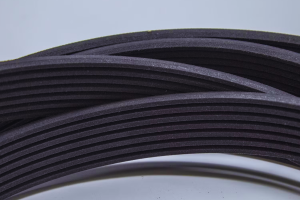
Key indicators include surface cracks, glazing, frayed edges, unusual noise, vibration, slippage, and uneven wear patterns. Changes in belt tension or alignment should also be monitored closely.
Early detection allows maintenance teams to address issues before they lead to failure, saving time and money.
Cleaning and Environmental Protection
Dirt, oil, and debris accumulation accelerate belt wear. Regular cleaning helps maintain proper grip and reduces abrasive damage.
Where possible, machinery should be fitted with guards or covers to protect belts from contaminants. In oil-prone environments, oil-resistant belts should be used to prevent compound degradation.
Maintaining a clean operating environment significantly improves belt performance and lifespan.
Choosing the Right Belt for Harsh Applications
Not all belts are suitable for harsh environments. Selecting the right belt type, compound, and construction is crucial.
Heat-resistant belts perform better in high-temperature applications. Oil-resistant belts are essential where lubricants or chemicals are present. Reinforced belts handle heavy loads and continuous operation more effectively.
Working with a manufacturer that understands local operating conditions ensures that belts are optimized for real-world use rather than generic applications.
When to Replace a Rubber Belt
Even with excellent maintenance, belts have a finite lifespan. Knowing when to replace a belt prevents unexpected failures.
Signs that replacement is necessary include excessive cracking, loss of tension adjustment range, severe glazing, visible cord damage, or repeated slippage despite adjustments.
Proactive replacement is always more cost-effective than emergency repairs and unplanned downtime.
Benefits of Local Technical Support and Expertise
Access to local engineering support significantly improves maintenance outcomes. On-ground experts can inspect machinery, identify root causes of failures, and recommend corrective actions.
Local manufacturers understand the environmental challenges of the GCC and can provide tailored advice, replacement solutions, and custom belt designs.
This partnership approach reduces recurring failures and improves long-term operational reliability.
How Proper Maintenance Reduces Downtime and Costs
Effective belt maintenance directly impacts productivity. Fewer failures mean fewer shutdowns, less emergency labor, and lower replacement costs.
Well-maintained belts improve energy efficiency, reduce wear on machine components, and extend equipment lifespan. Over time, these benefits translate into significant cost savings and improved operational stability.
Conclusion: Preventive Maintenance Is a Strategic Advantage
Rubber belts maintenance is not just a technical task—it is a strategic investment. In harsh environments, preventive maintenance and proper troubleshooting are essential to maximize belt lifespan, minimize downtime, and control operating costs.
By implementing routine inspections, correct tensioning, proper alignment, and environmental protection, industries can significantly improve belt performance. Combined with high-quality belts designed for harsh conditions and supported by local expertise, maintenance becomes a powerful tool for operational excellence.