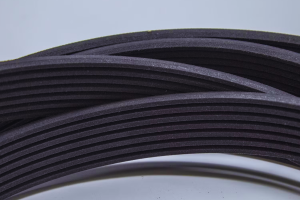
For industrial distributors, inventory is both an asset and a risk. Too little stock leads to lost sales, delayed deliveries, and dissatisfied customers. Too much stock ties up working capital, increases storage costs, and raises the risk of obsolescence. Nowhere is this balance more critical than in rubber belt inventory management.
Rubber belts are essential components across industries such as manufacturing, construction, logistics, agriculture, mining, and HVAC. Distributors are expected to deliver the right belt, in the right specification, at the right time—often with very short lead times. Managing rubber belt inventory effectively is therefore not just an operational task; it is a strategic advantage.
This article outlines best practices for managing rubber belt inventory for distributors. It covers demand forecasting, SKU rationalization, storage practices, supplier coordination, and technology adoption, helping distributors reduce costs while improving service levels.
Why Rubber Belt Inventory Management Is Challenging
Rubber belt inventory presents unique challenges compared to many other industrial products.
Distributors must deal with:
- A wide range of belt types and profiles
- Multiple lengths and specifications
- Varying customer application requirements
- Irregular and project-based demand
- Shelf-life considerations
Unlike standardized fasteners or consumables, rubber belts are application-specific. Poor inventory decisions can result in slow-moving stock or frequent stockouts. Effective rubber belt inventory management requires a deep understanding of both products and customer behavior.
Understanding Demand Patterns in Rubber Belt Distribution
Demand for rubber belts is rarely uniform. It often fluctuates based on industry cycles, maintenance shutdowns, and emergency breakdowns.
There are typically three demand categories:
- Fast-moving standard belts
- Medium-moving application-specific belts
- Slow-moving or custom belts
Analyzing historical sales data helps distributors identify which products justify higher stocking levels and which should be sourced on demand. Demand forecasting is the foundation of efficient rubber belt inventory planning.
SKU Rationalization: Reducing Complexity Without Losing Coverage
One of the most effective inventory strategies is SKU rationalization. Many distributors carry overlapping products that serve similar applications.
Excessive SKUs increase:
- Inventory carrying costs
- Warehouse complexity
- Picking and fulfillment errors
By consolidating SKUs and focusing on high-performance belts that cover multiple applications, distributors can reduce inventory volume without compromising customer service. Rationalized rubber belt inventory improves turnover and operational efficiency.
Balancing Stock Availability and Working Capital
Inventory ties up capital that could otherwise be used for growth, marketing, or expansion. However, insufficient stock damages distributor credibility.
Best practices include:
- Setting minimum and maximum stock levels
- Differentiating between critical and non-critical items
- Reviewing inventory turnover regularly
Fast-moving belts should have higher safety stock, while slow-moving items should be tightly controlled. Strategic inventory balancing improves cash flow while maintaining responsiveness.
Segmenting Rubber Belt Inventory by Application
Not all customers have the same expectations. Segmenting rubber belt inventory based on application helps prioritize stocking decisions.
Typical segments include:
- OEM and machine builders
- Maintenance, repair, and operations (MRO)
- Project-based customers
- Emergency replacement demand
OEM customers often require consistent specifications, while MRO customers value immediate availability. Segment-based planning aligns inventory with customer needs.
Managing Custom and Non-Standard Belts
Custom belts are essential for many applications but can quickly become dead stock if not managed carefully.
Best practices for custom rubber belt inventory include:
- Avoiding speculative stocking
- Ordering against confirmed demand
- Maintaining detailed customer specifications
- Coordinating closely with manufacturers
Custom belts should be treated as strategic items rather than general inventory.
Supplier Collaboration and Lead Time Management
Strong supplier relationships are critical for reducing inventory pressure.
Effective collaboration allows distributors to:
- Reduce safety stock through reliable lead times
- Access rapid manufacturing support
- Improve demand visibility
- Respond quickly to urgent requirements
Distributors who work closely with manufacturers can operate with leaner rubber belt inventory while maintaining high service levels.
Local vs Regional Stocking Strategies
Distributors operating across multiple regions must decide where inventory should be held.
Centralized stocking reduces duplication but may increase delivery times. Decentralized stocking improves responsiveness but increases carrying costs.
A hybrid approach is often optimal, where fast-moving rubber belt inventory is stocked locally, while slower-moving items are centralized.
Storage Conditions and Inventory Preservation
Rubber belts are sensitive to environmental conditions. Improper storage can degrade belts before they are even sold.
Best storage practices include:
- Keeping belts away from direct sunlight
- Avoiding excessive heat or humidity
- Preventing contact with oils or chemicals
- Storing belts without sharp bends or tension
Proper storage extends shelf life and protects the value of rubber belt inventory.
Inventory Aging and Shelf-Life Control
Even when stored correctly, rubber belts have a finite shelf life. Aging inventory increases the risk of customer complaints and warranty issues.
Distributors should:
- Track manufacturing dates
- Rotate stock using FIFO principles
- Identify slow-moving inventory early
- Develop clearance or return strategies
Active aging management prevents accumulation of obsolete rubber belt inventory.
Using Data and ERP Systems for Inventory Optimization
Manual inventory management is no longer sufficient for complex product ranges.
Modern ERP systems support:
- Real-time stock visibility
- Demand forecasting
- Automated reorder points
- Sales and inventory analytics
Data-driven decision-making significantly improves rubber belt inventory accuracy and responsiveness.
Forecasting Maintenance and Shutdown Demand
A large portion of belt demand comes from planned maintenance and shutdowns.
Distributors who work closely with customers to forecast these events can:
- Prepare inventory in advance
- Reduce emergency orders
- Improve customer satisfaction
Proactive planning transforms reactive inventory management into a strategic service.
Managing Emergency and Breakdown Stock
Emergency demand is unpredictable but unavoidable.
Rather than overstocking, distributors should:
- Identify critical belt sizes
- Maintain limited emergency stock
- Ensure rapid supplier response
- Offer expedited logistics solutions
Controlled emergency stocking balances readiness with cost efficiency.
Pricing Strategy and Inventory Turnover
Pricing influences inventory movement. Slow-moving rubber belt inventory often requires pricing adjustments to improve turnover.
Strategic pricing actions include:
- Volume discounts
- Bundled offers
- Contract pricing for key customers
- Targeted promotions
Improving turnover reduces carrying costs and frees up warehouse space.
Training Sales Teams on Inventory-Aware Selling
Sales teams play a direct role in inventory performance.
Training should focus on:
- Promoting stocked items
- Avoiding unnecessary customization
- Understanding lead times
- Aligning customer expectations with availability
Inventory-aware selling improves order fulfillment and reduces pressure on rubber belt inventory.
Managing Returns and Non-Conforming Stock
Returns can disrupt inventory accuracy and increase costs.
Clear policies for:
- Return eligibility
- Inspection procedures
- Restocking decisions
help prevent returned belts from becoming unsellable inventory.
The Role of Quality in Inventory Strategy
High-quality belts reduce failure rates, returns, and customer complaints.
Distributors who prioritize quality experience:
- Fewer warranty claims
- Lower reverse logistics costs
- Higher customer trust
Quality-driven inventory strategies outperform purely price-driven approaches in the long term.
Inventory Risk Management and Contingency Planning
Supply disruptions, raw material shortages, and logistics delays affect belt availability.
Risk management strategies include:
- Dual sourcing
- Buffer stock for critical items
- Supplier diversification
- Contingency planning
Resilient rubber belt inventory systems protect distributors during market disruptions.
Measuring Inventory Performance
Key performance indicators help distributors evaluate inventory effectiveness.
Important metrics include:
- Inventory turnover ratio
- Stockout frequency
- Order fulfillment rate
- Inventory aging
- Carrying cost percentage
Regular performance reviews support continuous improvement.
Long-Term Benefits of Optimized Rubber Belt Inventory
Well-managed rubber belt inventory delivers:
- Improved cash flow
- Higher customer satisfaction
- Reduced operational stress
- Better supplier relationships
- Stronger competitive positioning
Inventory optimization is not a one-time project but an ongoing discipline.
Conclusion
Managing rubber belt inventory effectively is a balancing act between availability, cost, and risk. Distributors who apply structured planning, data-driven forecasting, and strong supplier collaboration can achieve high service levels without excessive stock.
By adopting best practices in segmentation, storage, forecasting, and performance measurement, distributors turn rubber belt inventory from a cost burden into a strategic advantage. In an increasingly competitive industrial market, disciplined inventory management is a key driver of long-term success.