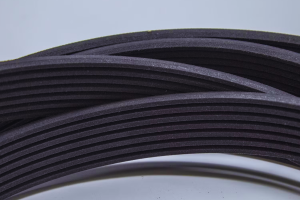
In industrial power transmission systems, rubber belts are often blamed when failures occur. Belts are replaced, specifications are questioned, and suppliers are changed. Yet in a significant number of cases, the root cause of premature failure is not the belt itself, but improper rubber belt installation.
Even the highest-quality belt will fail early if installed incorrectly. Small errors during installation can introduce stresses that accelerate wear, increase heat, cause misalignment, and shorten service life dramatically. Unfortunately, installation mistakes are widespread because they are easy to overlook and difficult to diagnose after the system is running.
This article examines the most common rubber belt installation mistakes that reduce belt lifespan. It explains why these errors occur, how they affect belt performance, and what best practices should be followed to ensure reliable, long-term operation in industrial applications.
Why Installation Quality Determines Belt Lifespan
Rubber belts are engineered components designed to operate within specific mechanical limits. During installation, the belt is subjected to its highest levels of stress before it ever begins transmitting power.
Errors made at this stage often cause:
- Permanent damage to tensile cords
- Uneven load distribution
- Excessive heat generation
- Accelerated belt stretch and creep
Once these issues are introduced, they cannot be fully corrected by retensioning or maintenance. Proper rubber belt installation is therefore not a procedural formality; it is a critical reliability factor.
Mistake 1: Over-Tensioning the Belt During Installation
Over-tensioning is one of the most damaging and common rubber belt installation mistakes. In an attempt to prevent slippage, installers often apply more tension than recommended.
Excessive tension places constant stress on:
- Tensile cords
- Pulley bearings
- Shafts and seals
This leads to increased belt stretch, accelerated creep, and reduced fatigue life. Over-tensioned belts often fail prematurely due to cord separation or cracking, even though the belt appears visually intact.
Correct tensioning should always follow manufacturer guidelines and be verified using proper tension measurement tools.
Mistake 2: Under-Tensioning and Allowing Belt Slippage
Under-tensioning is equally harmful, though the damage occurs differently. A belt that is too loose slips on the pulley surface, generating heat and abrasion.
Consequences of under-tensioning include:
- Rapid belt wear
- Glazing of belt surfaces
- Reduced power transmission efficiency
- Increased operating temperature
Slippage causes localized heating, which degrades rubber compounds and accelerates aging. Proper rubber belt installation requires achieving the correct tension balance, not simply tightening or loosening by feel.
Mistake 3: Incorrect Pulley Alignment
Pulley misalignment is a frequent but often overlooked installation error. Even small alignment deviations can have a major impact on belt life.
Misalignment causes:
- Uneven belt wear
- Edge fraying
- Increased vibration
- Higher stress on tensile cords
There are two primary types of misalignment: angular and parallel. Both increase friction and reduce belt lifespan significantly.
Accurate pulley alignment using straightedges or laser alignment tools is a fundamental part of proper rubber belt installation.
Mistake 4: Forcing Belts Onto Pulleys
Stretching or prying a belt onto a pulley using tools such as screwdrivers or crowbars is a serious installation error.
This practice:
- Damages tensile cords
- Creates micro-cracks in rubber
- Weakens belt structure permanently
Belts should always be installed by adjusting center distance or tensioning mechanisms, never by force. Damage caused during installation may not be visible but often leads to sudden failure during operation.
Mistake 5: Using Worn or Damaged Pulleys
Installing a new belt on worn pulleys significantly reduces belt lifespan. Pulley wear alters groove geometry and contact surfaces.
Common pulley issues include:
- Worn grooves
- Corrosion
- Incorrect groove angles
- Material buildup
These defects prevent proper load distribution and increase belt stress. Rubber belt installation should always include pulley inspection and replacement or reconditioning when necessary.
Mistake 6: Ignoring Pulley Diameter Requirements
Belts are designed to operate within minimum pulley diameter limits. Using pulleys that are too small increases bending stress in the belt.
Small pulley diameters cause:
- Excessive flexing
- Increased heat generation
- Rapid fatigue of tensile cords
Ignoring pulley diameter recommendations is a frequent design and installation oversight that drastically shortens belt life.
Mistake 7: Mixing Old and New Belts
In banded or multi-belt drives, replacing only one belt instead of the full set leads to uneven load sharing.
This causes:
- Overloading of new belts
- Slippage of older belts
- Rapid wear across the system
Proper rubber belt installation in multi-belt drives always requires replacing belts as a matched set.
Mistake 8: Incorrect Belt Profile or Size Selection
A belt that “fits” is not necessarily the correct belt. Using the wrong belt profile or length leads to improper seating and load transfer.
Incorrect selection can result in:
- Reduced contact area
- Higher localized stress
- Slippage or overheating
Accurate belt selection based on application requirements is a prerequisite for correct installation.
Mistake 9: Skipping the Run-In and Retensioning Phase
Most belts experience initial stretch during early operation. Failing to retension after the run-in period results in progressive loss of tension.
Consequences include:
- Slippage
- Heat buildup
- Accelerated wear
Proper rubber belt installation includes scheduled retensioning after initial operation to stabilize performance.
Mistake 10: Installing Belts in Dirty or Contaminated Conditions
Oil, dust, chemicals, and debris introduced during installation contaminate belt surfaces and pulleys.
Contamination leads to:
- Reduced friction
- Chemical degradation of rubber
- Increased slippage
Installation should always be performed in clean conditions, and pulleys must be cleaned before fitting new belts.
Mistake 11: Incorrect Belt Storage Before Installation
Belts that are stored improperly before installation may already be compromised.
Common storage mistakes include:
- Exposure to heat or sunlight
- Sharp bends or hanging
- Contact with oils or chemicals
Damaged belts installed into service will fail prematurely regardless of installation quality.
Mistake 12: Ignoring Environmental Factors
Installation without considering operating environment leads to mismatched belt selection.
Factors such as:
- Ambient temperature
- Humidity
- Dust exposure
- Chemical contact
must be considered during rubber belt installation to ensure long-term performance.
Mistake 13: Lack of Documentation and Installation Standards
Inconsistent installation practices across teams result in variable belt performance.
Standardized installation procedures:
- Reduce human error
- Improve consistency
- Extend belt service life
Clear documentation ensures correct rubber belt installation regardless of personnel changes.
Mistake 14: Failure to Train Installation Personnel
Even well-designed systems fail when installers lack training.
Untrained personnel often rely on experience rather than specifications, increasing the risk of critical errors. Ongoing training is essential for maintaining installation quality.
Long-Term Effects of Installation Errors
Installation mistakes compound over time. They accelerate fatigue, increase operating costs, and reduce overall equipment reliability.
The cost of premature belt failure includes:
- Replacement costs
- Downtime
- Labor expenses
- Secondary equipment damage
Preventing installation errors delivers measurable long-term savings.
Best Practices for Correct Rubber Belt Installation
Effective installation includes:
- Correct belt selection
- Proper pulley inspection
- Accurate alignment
- Precise tensioning
- Clean working conditions
- Scheduled retensioning
Following best practices transforms installation from a risk factor into a reliability advantage.
The Role of Preventive Maintenance After Installation
Installation is the starting point, not the end. Preventive maintenance ensures that initial installation quality is preserved.
Routine inspections help detect:
- Tension loss
- Misalignment
- Early wear
Early intervention extends belt lifespan significantly.
Conclusion
Rubber belt installation is a critical determinant of belt lifespan and system reliability. Most premature belt failures can be traced back to avoidable installation mistakes rather than product defects. By understanding and avoiding common errors, industrial users can dramatically improve belt performance, reduce downtime, and lower total operating costs. Proper rubber belt installation is not optional—it is fundamental to reliable industrial operation.